

Child injured in a school zone crash? Our Denver lawyers act fast to protect your family’s rights. Free consultation today. Call (303) 964-3200.
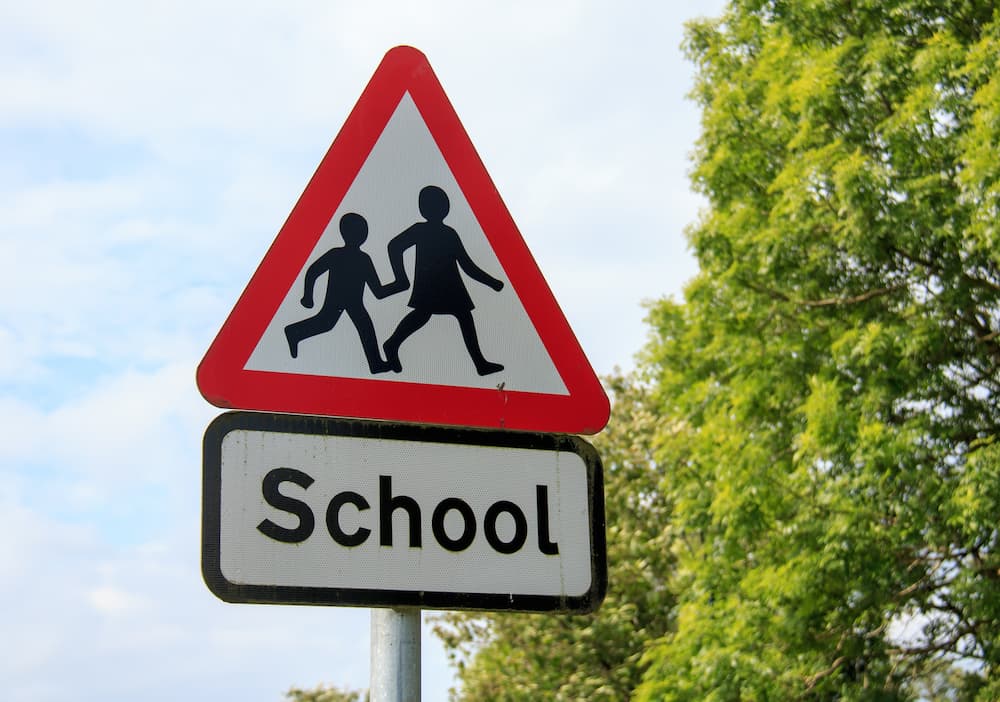
The back-to-school season transforms Denver’s roads. School zones that sat all summer suddenly fill with distracted parents, inexperienced teen drivers, and children darting between parked cars. Studies show that pedestrian accidents involving children spike by nearly 30% during the first few weeks of school. As a Denver personal injury lawyer who has represented families devastated by preventable school zone collisions, I’ve seen firsthand how a single moment of inattention can change a family’s life forever.
This guide will walk you through the practical steps you can take to protect your children from auto accidents during the school year—and what to do if the worst happens. Whether you’re navigating the morning drop-off line or teaching your teen to drive, these strategies can help keep your family safe. If an accident does occur, understanding your legal rights is critical to securing the compensation your child deserves.
Why Back-to-School Season Increases Auto Accident Risk
The return to school creates a perfect storm of hazards on Denver-area roads. After months of lighter summer traffic, drivers must suddenly adjust to crowded school zones, active crosswalks, and stopped school buses. Parents rushing to make the first bell often multitask behind the wheel—checking phones for last-minute schedule changes, calming anxious children, or reviewing permission slips.
Children themselves introduce unpredictability. A kindergartner may freeze in the middle of a crosswalk. A middle schooler might chase a dropped backpack into traffic. Teen drivers, many still on learner’s permits, lack the experience to anticipate these sudden movements.
Colorado school zones typically reduce speed limits to 20 mph during active hours, but enforcement data from Denver Public Schools shows that nearly 40% of drivers exceed this limit during morning rush. At higher speeds, a driver’s reaction time shrinks dramatically. The difference between 25 mph and 35 mph can mean the difference between a close call and a fatal collision.
Local factors compound the risk. Denver’s older neighborhoods often lack sidewalks, forcing children to walk in the street. Front Range weather—from early-season snowstorms to blinding sunrise glare—reduces visibility just as traffic volume peaks. And with Colorado’s population growth, intersections near schools that were designed for smaller communities now handle far more vehicles and pedestrians than they were built to accommodate.
If you’ve been affected by a school zone accident, our Denver car accident lawyers can help you understand your legal options and fight for the compensation your family needs.
School Zone Safety: What Denver Parents Need to Know
Driving through a school zone requires a different mindset than highway driving. These areas are governed by stricter rules—and for good reason. Colorado law mandates reduced speed limits in school zones, typically 20 mph when children are present. “When children are present” generally means 30 minutes before and after school hours, but always watch for posted signage and flashing beacons.
Eliminate distractions before you enter the zone. The temptation to glance at your phone for a text from the school office or to hand a forgotten lunch bag to the backseat can wait. Even a two-second distraction at 20 mph means your vehicle travels nearly 60 feet without your eyes on the road—more than enough distance for a child to step into your path.
In the drop-off and pick-up line, resist the urge to review paperwork, answer emails, or settle sibling disputes. These tasks feel urgent, but they can wait until you’re safely parked. If you must address something, pull out of the line and into a designated parking spot.
Crosswalk vigilance is non-negotiable. Colorado law requires drivers to yield to pedestrians in marked or unmarked crosswalks. Near schools, assume children will use crosswalks unpredictably—they may hesitate, run, or step out between parked cars. Come to a complete stop and make eye contact with crossing guards or adult supervisors before proceeding.
Municipal zoning laws near elementary schools have come under scrutiny in recent years. As advocates for safer infrastructure, we’ve supported efforts to improve crosswalk visibility, add speed bumps, and increase crossing guard presence at high-risk intersections. But until those improvements are universal, the responsibility falls on drivers to stay alert.
School Bus Laws Every Colorado Driver Must Follow
Colorado takes school bus safety seriously, and the penalties for violations reflect that priority. When a school bus activates its flashing yellow lights, it’s preparing to stop. You should begin slowing down and prepare to stop as well. When the red lights flash, and the stop arm extends, all traffic must stop—whether you’re behind the bus, approaching from the opposite direction, or on a multi-lane road.
The only exception is if you’re on a divided highway with a physical barrier (such as a median or barrier) separating your lanes from the bus. Otherwise, you must stop and remain stopped until the red lights turn off and the stop arm retracts.
Why is this law so strict? Because children are unpredictable. They may cross in front of the bus, behind it, or dart back if they forget something. Drivers who illegally pass a stopped school bus face fines up to $300 and points on their driving record. More importantly, they risk striking a child.
If you’re stuck behind a school bus making frequent stops, allow extra time in your morning routine. Frustration and impatience lead to dangerous decisions. Give the bus plenty of space—at least three car lengths—so you have time to react if it stops suddenly.
As a former State and Federal Prosecutor, I’ve seen the consequences of school bus violations. These aren’t minor infractions. In cases where a child is injured or killed, drivers can face criminal charges,s including vehicular assault or even manslaughter. If your child has been injured by a driver who violated school bus laws, contact our office immediately. We will fight for your rights and hold negligent drivers accountable.
Keeping Your Children Safe Inside the Vehicle
Even the most cautious driver can’t control the actions of others on the road. That’s why proper restraints are your child’s last line of defense in a collision. Colorado law requires children to be secured in age- and size-appropriate car seats or booster seats until they are at least 8 years old and 57 inches tall. But legal compliance is just the baseline—your goal should be maximum protection.
Follow these guidelines:
- Infants and toddlers (up to at least age 2): Rear-facing car seat. The American Academy of Pediatrics recommends keeping children rear-facing as long as possible, ideally until they exceed the seat’s height or weight limit.
- Preschoolers and young children (ages 2–7): Forward-facing car seat with a five-point harness. Don’t transition to a booster seat until your child outgrows the harness seat.
- School-age children (typically ages 5–12): Booster seat until the vehicle’s seat belt fits properly. The lap belt should lie across the upper thighs, and the shoulder belt should cross the chest—not the neck or face.
- Older children and teens: Seat belt at all times, in the back seat when possible. The back seat is statistically safer for passengers under 13.
Address distraction from the backseat. Before you start driving, set expectations with your children. Explain that yelling, throwing objects, or unbuckling seat belts isn’t just annoying—it’s dangerous. A driver who turns around to manage a conflict in the backseat takes their eyes off the road and their hands off the wheel.
For younger children, keep a “car kit” with quiet activities (books, small toys, or snacks) to minimize boredom-driven disruptions. For older kids, model good behavior: if you don’t text and drive, they’ll learn that phones can wait.
Teaching Kids to Navigate Traffic Safely
Adults bear the primary responsibility for child safety, but children also need to learn self-protective habits. These lessons should start early and be reinforced regularly—especially before the school year begins.
For children who walk to school:
- Crosswalk use is mandatory. Teach your child to cross only at marked crosswalks or intersections, never mid-block.
- Wait for the signal. Even if no cars are visible, children should wait for the “walk” signal and look left-right-left before stepping into the street.
- Make eye contact with drivers. Just because a car is stopped doesn’t mean the driver sees your child. Teach them to make eye contact before crossing.
- Stay visible. Bright or reflective clothing helps drivers spot pedestrians, especially during early-morning or late-afternoon hours when light is low.
For children who bike to school:
- Helmets are non-negotiable. A properly fitted helmet can reduce the risk of serious head injury by up to 85%.
- Ride with traffic, not against it. Bikes are vehicles and must follow the same traffic laws as cars.
- Use bike lanes where available. If no bike lane exists, ride as far to the right as safely possible.
- Signal turns. Teach your child to use hand signals and check over their shoulder before turning or changing lanes.
Parking lot safety is often overlooked. Teach your child to hold your hand or stay within arm’s reach in parking lots. They should never run ahead or dart between parked cars. Drivers backing out of spaces often can’t see small children.
These conversations shouldn’t be one-and-done. Revisit them throughout the year, and model the behavior you want to see. If your child watches you jaywalk or cross against the light, they’ll assume it’s acceptable.
The Hidden Danger: Teen Drivers During School Season
Colorado’s graduated driver licensing (GDL) program is designed to ease teens into full driving privileges, but even with these safeguards, inexperienced drivers pose elevated risks during back-to-school season. Teen drivers are more likely to speed, misjudge distances, and struggle with hazard recognition—all critical skills in congested school zones.
If your teen is driving to school this year:
- Review Colorado’s GDL restrictions. Teens with a learner’s permit or intermediate license face restrictions on nighttime driving and the number of passengers they can carry. These rules exist because distraction and risk-taking behaviors increase with peer passengers.
- Practice the school route together. Before your teen drives solo, practice the route during actual school hours so they experience the traffic, pedestrian activity, and parking challenges they’ll face.
- Set firm rules about phone use. Colorado law prohibits all drivers under 18 from using a cell phone while driving, even hands-free. Make it clear that a text or call is never worth a life.
- Model safe driving. Teens learn by watching. If you speed through school zones or glance at your phone at red lights, your teen will assume those behaviors are acceptable.
As a panelist on teen driver safety reforms, I’ve advocated for stronger GDL enforcement and better driver education programs. But until systemic change happens, parents must take the lead in teaching their teens to drive defensively and responsibly.
What to Do If Your Child Is Injured in a School-Related Auto Accident
Despite every precaution, accidents can still happen—often because of another driver’s negligence. If your child is injured in a school-related auto accident, the steps you take immediately afterward can significantly impact their recovery and your legal claim.
1. Prioritize medical care. Even if your child seems fine, seek medical evaluation. Some injuries—like concussions or internal trauma—may not show symptoms immediately. A medical record also creates documentation linking the accident to your child’s injuries.
2. Document the scene. If you’re able, take photos of vehicle damage, skid marks, traffic signs, and the surrounding area. Note the time, weather conditions, and any witnesses. If the accident occurred in a school zone, photograph the posted speed limit and any active crossing signals.
3. Collect driver and insurance information. Get the name, contact information, driver’s license number, and insurance details of all involved drivers. If a school bus was involved, note the bus number and the driver’s name.
4. Report the accident. Contact Denver police or the appropriate local law enforcement agency to file an official report. This report will be critical evidence in your claim.
5. Do not give a recorded statement to the other driver’s insurance company. Insurance adjusters may try to minimize your claim or use your words against you. Politely decline and refer them to your attorney.
6. Contact a Denver personal injury lawyer experienced in child injury cases. Colorado law gives you a limited time to file a personal injury claim, and building a strong case requires prompt investigation. Insurance companies often try to settle quickly for far less than your child’s injuries are worth. An experienced attorney will fight to ensure you receive full compensation for medical bills, future treatment, pain and suffering, and any long-term impacts on your child’s life.
We are here to help you and your family. At the Law Office of Miguel Martinez, we’ve recovered over $200 million for injured clients and represented thousands of Colorado families. We understand how emotionally and financially devastating a child’s injury can be, and we will fight for the justice and compensation your family deserves. Contact us today for a free consultation.
When an Accident Happens, We Fight for Your Family
Back-to-school season should be filled with excitement and new beginnings—not tragedy. By staying alert, following traffic laws, and teaching your children safe habits, you can significantly reduce the risk of an auto accident. But if the worst happens and your child is injured because of another driver’s negligence, you don’t have to face the aftermath alone.
At the Law Office of Miguel Martinez, we’ve spent over 35 years fighting for Colorado families. We’ve recovered over $200 million in compensation and represented thousands of clients in personal injury cases, including school zone accidents, school bus collisions, and child pedestrian injuries. We understand the emotional and financial devastation these accidents cause, and we will work tirelessly to hold negligent drivers accountable and secure the compensation your family needs.
Justice is not freely given—you must fight to obtain it. Let us fight for you.
Call us today at (303) 964-3200 or schedule your free consultation online. SE HABLA ESPAÑOL.
Offices in Denver, Greeley, and Colorado Springs. Proudly serving Colorado families since 1989.
Frequently Asked Questions
Who is liable if my child is hit by a car in a school zone?
Liability depends on the circumstances. If a driver was speeding, distracted, or violated traffic laws (such as failing to stop at a crosswalk), they may be held liable. In some cases, the school district or municipality may share liability if poor road design or inadequate signage contributed to the accident. An experienced Denver personal injury lawyer can investigate the accident and identify all responsible parties.
What are Colorado’s school bus stopping laws?
Colorado law requires all drivers to stop when a school bus activates its flashing red lights and extends its stop arm. This applies to traffic in both directions unless there is a physical barrier (such as a median) separating the lanes. Drivers must remain stopped until the lights turn off and the stop arm retracts. Violating this law can result in fines up to $300, points on your license, and criminal charges if a child is injured.
How long do I have to file a personal injury claim for my child in Colorado?
Colorado’s statute of limitations for personal injury claims is generally two years from the date of the accident. However, claims involving minors can be more complex, and exceptions may apply. It’s critical to consult with a lawyer as soon as possible to preserve evidence and protect your child’s legal rights.
What should I do if the other driver’s insurance company contacts me after an accident involving my child?
Do not give a recorded statement or accept a settlement offer without first speaking to a personal injury lawyer. Insurance companies often try to minimize payouts by getting you to say something that undermines your claim or by offering a quick settlement that doesn’t cover your child’s long-term needs. An attorney will handle all communication with the insurance company and negotiate on your behalf.
Can I recover compensation for my child’s pain and suffering after an auto accident?
Yes. Colorado law allows recovery for both economic damages (medical bills, future treatment costs) and non-economic damages (pain and suffering, emotional distress, loss of enjoyment of life). The amount depends on the severity of the injury and its impact on your child’s life. Our firm has recovered millions of dollars for families whose children were injured due to another driver’s negligence.
 Summer Driving Tips to Avoid Car Accidents in Colorado
